At the exam, you can get a text within the following themes:
1. American Rhetoric (study the forms of appeal, all the rhetorical features we have talked about such as anaphora, antithesis, sponsorship effect, the rhetorical pentagram....)
2. The Power of Language, the Language of Power (study power relations, the British Empire, The Empire Writes Back, the rhetorical pentagram - always useful in non fiction, tools for analysing short stories, tools for analysing poetry)
3. Romanticism (study the language ideals of poetry and the role of the poet, study Poe - i believe i mentioned this before!!!, the gothic - distiguish between America and Britain, tools for analysing poetry, tools fro analysing short stories - I believe I have mentioned reliability of 1st person narrators!
4. Women writing Women, 19th century fiction (study tools for analysing short stories, gender roles in the Victorian age, women's rights, The Angel of the House, authors we worked on)
5. Macbeth (study everything you can get your hands on regarding the play and Shakespeare. Make sure you know the story and the development of the characters, study Shakespeare's use of language)
You are expected to know your CURRICULUM and be able to put your text into a relevant literary, thematic, and historical perspective. You are allowed to refer to works studied last year, but it is not a requirement.
Read aloud, SPEAK English, look at areas of grammar that tend to be problemtic for you. Look up relevant vocabulary and learn new words. Do not underestimate the importance of preparation since your language will be an important part of your evaluation/grade.
The first 10 minutes of the exam are yours - make sure you have a GOOD structure. This is your time to shine and you must make sure that you present all your sharp observations.
DO NOT forget to present your text - genre, author, title, period!


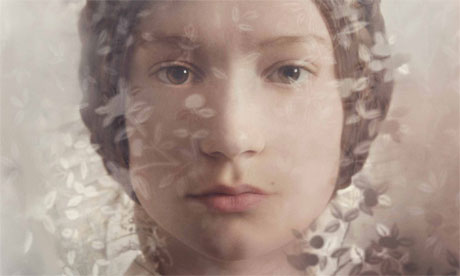


because the poem was about a tiger, that was either good or evil. look into it eyes and decide for yourself.
2)http://www.youtube.com/watch?v=fktwPGCR7Yw
- We have choosen this piece of music, because it really captures the atmosphere in the poem. Its giving us the idea of a prowling tiger.
3)In the first stansa, Balke asks who has created the Tiger, which is described as a frightening beauty. He then goes on to talk about the distant location of the creation of the tiger and refers to both Icarus and Prometheus who, were characters in greek mythology, defiant to the gods. The greek god Hefaistos was the God of crafts and fire and helped Prometheus steal the fire and give it to the humans. Blake refers to this god when he asks where the tigers brain was forged. The stars that throw down their spears in the 5th stansa are in reference to Zeus' characterizing lightning-stick. When the heavens are watered with their tears it is the gods being replaced with new gods. God?
What Blake is using all these greek mythology references for, is to create a feeling of the tiger being of ancient origin (older than Gods meddling with man). When Blake asks if he who made the lamb also made the tiger, it may not be a rhetorical question. If God is as described in 'the lamb', how could he possibly have created something as frightening and wild as the tiger? It's not that Blake belives in greek mythology, but it is somthing that existed before the bible and serves well to create the atmosphere he wants to contrast 'the lamb'.
4) The lamb is the good side of god, and the tiger is the bad side of god. its a contrast to eachtoghter. in the lamb, we are told that god calls himself a lamb, but in the tyger poem, gods benevolense is questioned.
-Mikael, Dennis(?) og Troels.